
HOME EV CHARGING
Home EV Charger Installation in Ireland
Professional home EV charger installation for electric and plug-in hybrid vehicles. Laltec can assess your electrical supply, install a suitable smart charger and complete the electrical testing and certification required for your installation.
CHARGE YOUR CAR AT HOME
A Dedicated EV Charger for Your Home
A permanently installed EV charger gives you a convenient way to charge your vehicle at home.
Before installation, Laltec checks the existing electrical supply, fuse board, available capacity and proposed charger location. We can then plan the installation around your vehicle, home and electrical setup.
Home chargers can also provide smart charging features such as scheduled charging and energy monitoring, depending on the charger selected.
SEAI currently states that domestic chargers can deliver up to 7.4kW AC and recommends a permanently installed home charger as the normal home-charging solution.
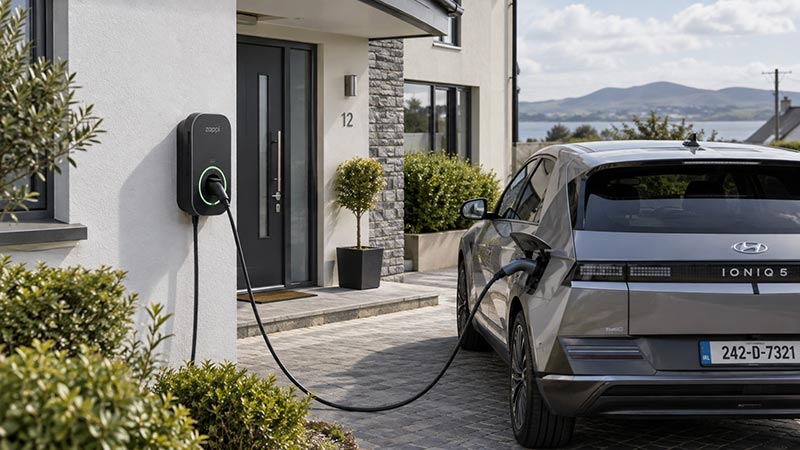
Home EV Charger Installation from Laltec
Home EV charger installation
Electric car charger installation
Smart EV charger installation
7kW home charging points
Tethered and untethered chargers
Electrical supply assessment
Load management solutions
Fuse board upgrades where required
Solar-compatible EV charging
Testing and electrical certification
ELECTRICAL ASSESSMENT
Is Your Home Ready for an EV Charger?
An EV charger adds a significant electrical load to the home. Therefore, the existing electrical installation needs to be considered before the charger is fitted.
Laltec can assess the supply, fuse board, proposed cable route and other major electrical loads in the property. This helps us identify whether the charger can be installed directly or whether load management or other electrical work is required.
- Existing electrical supply
- Available connection capacity
- Fuse board condition
- Proposed cable route
- Earthing and electrical protection
- Other high-demand electrical equipment
ESB Networks says a domestic EV charge point up to 7kW can normally be connected without a connection upgrade where the total demand remains within the home’s standard 12kVA Maximum Import Capacity.
MANAGING ELECTRICAL DEMAND
Smart Load Management for EV Charging
Your EV charger may operate at the same time as an electric shower, heat pump, oven or other high-demand equipment.
Where necessary, load management can monitor the electricity being used by the property and automatically reduce the charging rate when household demand becomes high.
As demand falls, the charger can increase its charging rate again. This can help keep the total electrical load within the available supply capacity.
This is technically useful and demonstrates that Laltec is considering the whole electrical installation, not simply mounting the charger.
ESB Networks specifically provides for control equipment to prevent an EV charger and other loads from exceeding the customer’s Maximum Import Capacity.
Which Home EV Charger Do You Need?
The right charger depends on your vehicle, electrical supply, parking setup and how you want to charge. We can help you choose a practical option for your home.
7kW Home EV Charger
Around 7kW is common for domestic charging. The actual charging rate depends on your vehicle, charger and the available electrical capacity at the property.
Tethered Charger
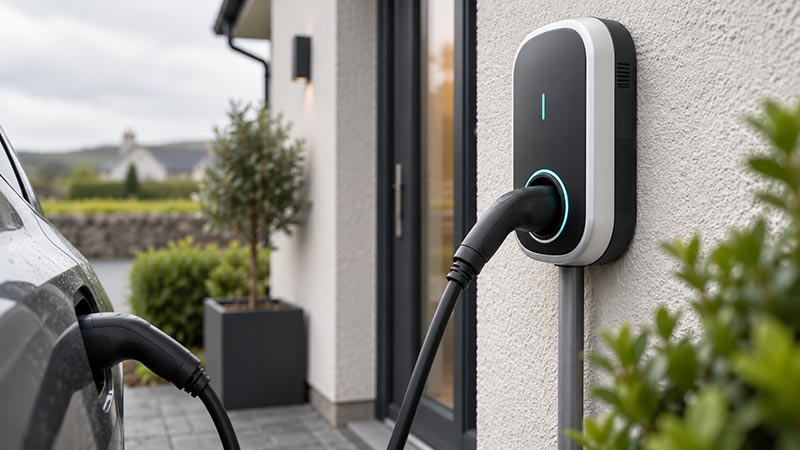
A tethered charger has its charging cable permanently attached. Simply park, plug in and charge without taking a separate cable from the car each time.
Untethered Charger
An untethered charger has a charging socket instead of a fixed cable. You connect your own EV charging cable whenever you need to charge.
Smart EV Charger
Depending on the model, a smart charger can provide scheduled charging, app control and energy monitoring. This can make it easier to control when your vehicle charges.
Solar-Compatible EV Charger
If you have Solar PV, some compatible chargers can use available excess solar generation to charge your vehicle. We can consider your Solar PV system when selecting the charger.
Explore Home Solar PanelsHOME EV CHARGER GRANT
Up to €300 Towards an Eligible Home Charger
Up to €300
Must be an eligible smart charger
Safe Electric Registered Electrical Contractor
Private residence meeting the scheme requirements
Private off-street parking associated with the home
6 months from the Letter of Offer
Important — Apply Before Installation
You must receive your SEAI Letter of Offer before eligible work begins. Work completed before the grant start date will not qualify for grant support.
How Home EV Charger Installation Works
A straightforward process from your first enquiry through to installation, testing and handover.
Tell Us About Your Home
Send us your location, vehicle details and where you would like the charger installed.
We Check the Electrical Setup
We assess the electrical supply, fuse board, available capacity and cable route.
We Confirm What You Need
We explain the charger and any electrical work or load management required.
We Install the Charger
Laltec installs the charging point, cabling and required electrical protection.
Testing & Certification
The completed installation is tested and the relevant electrical documentation is provided.
Ready to Charge
We show you how to use your new charger and its main smart charging features.
EV CHARGER INSTALLERS
Why Choose Laltec for Your Home EV Charger?
EV charger installation involves more than fitting the charging unit to a wall. The electrical supply, fuse board, protection, cable route and overall electrical demand all need to be considered.
Laltec is a Safe Electric Registered Electrical Contractor. We can assess the existing electrical installation, complete any required electrical work and install, test and certify your home EV charging point.
Our experience with electrical installations and Solar PV also allows us to consider how EV charging fits with the wider energy requirements of your home.
Safe Electric Registered Electrical Contractor
Electrical assessment before installation
Smart home EV charger installation
Load management where required
Solar PV integration options
Testing and electrical certification
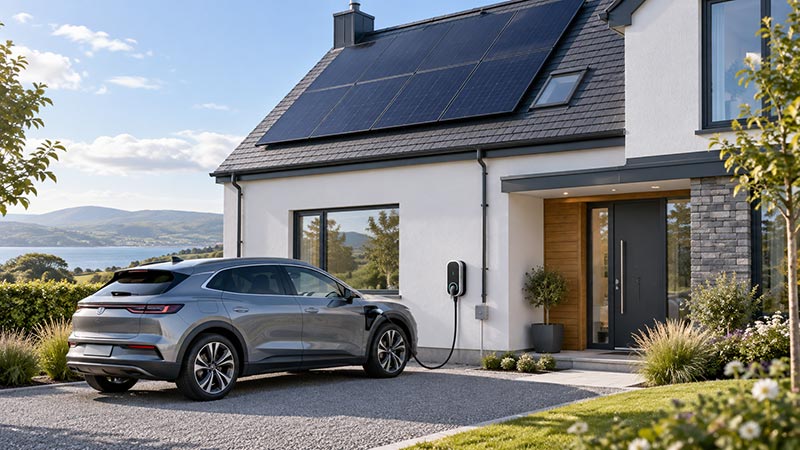
Charge Your EV with Solar PV
If you already have Solar PV, some compatible smart EV chargers can use available excess solar electricity to charge your vehicle.
Tell us about your Solar PV system when requesting a charger quote. If you are planning both technologies, Laltec can consider the electrical requirements together.
Explore Home Solar PVHome EV Charger Installation FAQs
Common questions about home EV chargers, installation, electrical requirements, grants and smart charging.
How much does home EV charger installation cost?
The cost depends on the charger, cable route, distance from the fuse board and the condition of the existing electrical installation.
Laltec can assess the installation requirements and provide a quote before work begins.
How much is the SEAI home EV charger grant?
The current SEAI Electric Vehicle Home Charger Grant provides up to €300 towards the purchase and installation of an eligible home charging point.
You must receive your SEAI Letter of Offer before eligible installation work begins.
Do I need to own an electric car to get the grant?
No. Under the current SEAI scheme, an eligible homeowner can apply for the home charger grant without already owning an electric vehicle.
Other property, parking and charger eligibility requirements still apply.
Does my house need an electrical supply upgrade?
Not necessarily. Many homes can accommodate a standard home EV charger without upgrading the electricity connection.
However, Laltec will consider the existing supply, household electrical demand and other high-power equipment before the charger is installed.
What is EV charger load management?
Load management monitors the electrical demand in your home. If demand becomes high, it can temporarily reduce the power available to the EV charger.
As household demand falls, the charger can increase its charging rate again.
More Home EV Charger Questions
Where can a home EV charger be installed?
Depending on the property, a charger may be installed on an external house wall, suitable boundary wall or dedicated mounting pedestal.
The parking position, cable route and distance from the fuse board should also be considered.
How fast will a home EV charger charge my car?
Charging time depends on the vehicle battery, the car's onboard charger and the available charging power.
A home charger around 7kW is common, although the actual rate can vary by vehicle and installation.
Should I choose a tethered or untethered EV charger?
A tethered charger has its cable permanently attached, making everyday charging convenient.
An untethered charger uses a socket, so you connect your own charging cable. The best option depends on your vehicle, parking position and personal preference.
Can I charge my electric car using solar panels?
Yes, with suitable equipment. Some smart EV chargers can use available excess electricity generated by a home Solar PV system.
If you already have solar panels, tell us when requesting your charger quote. You can also explore our home Solar PV systems.
What if my fuse board needs upgrading?
If the existing fuse board or electrical installation requires work before the charger can be installed, Laltec can explain what is needed.
Where appropriate, we can also complete the required fuse board upgrade.
Can I charge an EV from a normal three-pin socket?
A suitable portable charging cable can be used in some circumstances. However, charging from a standard socket is much slower than using a dedicated EV charger.
A permanently installed charging point is the better long-term solution for regular home charging.
Do you install home EV chargers across Ireland?
Yes. Laltec provides home EV charger installation for customers across Ireland.
Contact us with your location, vehicle details and preferred charger position to discuss the installation.
GOOGLE REVIEWS
What Our Electrical Customers Say
See what customers say about working with Laltec.


Get a Home EV Charger Installation Quote
Tell us your location, vehicle and where you would like the charger installed. We'll assess the electrical requirements and recommend the right charging solution for your home.